
LiFePO4 Battery Packs for Home, RV, Solar and Portable Power
Shenzhen Yabopower Technology Co., Ltd. supplies LiFePO4 battery packs, portable power stations and hybrid-car battery listings. The company profile states it is an energy technology company dedicated to providing affordable, quality power solutions, with a strong R&D team and continuous improvement of its engineering processes.
- LiFePO4 packs in 12V, 24V and 48V
- 7 x 12V models with full spec tables
- Portable stations and hybrid NiMH fitments
- Certificates available upon request
No founding year, headcount, phone or named contact is published on this site: those records conflict between sources and are not settled. Contact goes through the inquiry form.
This site is organised by voltage family first: 12V packs with full specification tables, 24V and 48V home energy storage ranges, portable power stations, power banks, lithium-ion packs and hybrid-car NiMH fitments. Every model page states only the specification that was listed for that model, and every page ends with the same buyer checklist. Confirm the model, voltage and capacity you need before ordering.
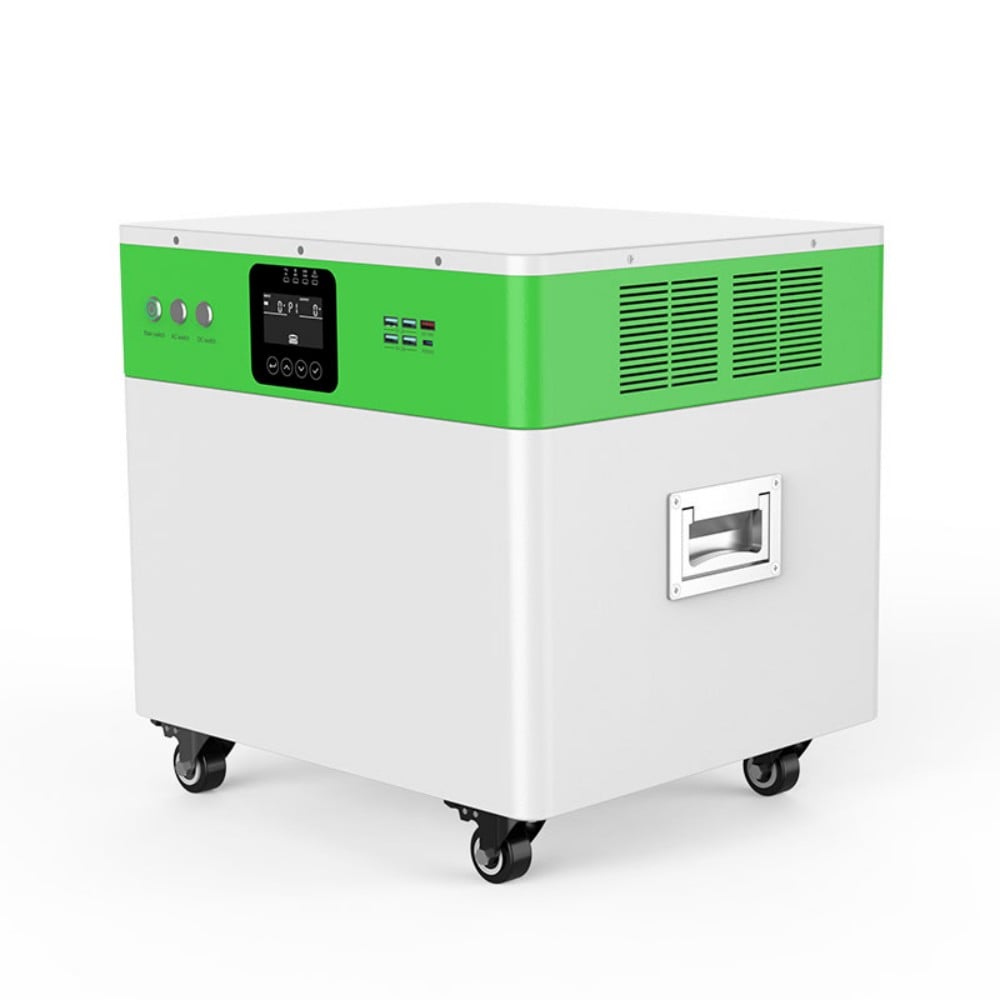
Product image from the manufacturer's official site. SG5000 portable power station, model name as listed; confirm specifications before ordering.
What this site covers
The core line is LiFePO4 chemistry in 12V, 24V and 48V configurations. Seven 12V models have full specification tables on this site, and three 48V models are covered in detail or as range overviews. Portable power stations range from a 100W unit to a 2000W unit, and the hybrid-car section lists NiMH replacement packs by vehicle family.
Models that appear only as a name on the company's own website, such as SG5000, SG200DC, YB-48400, YB-ES48314, YB-UT48200H and WM1610K, are shown only as listed names with their photographs. They have no individual specification page, because no specification table was read for them.
How to use a model page
Start from the specification table, then read the applications the listing names for that model, then work through the buyer checklist. Where two models list the same figure — for example the 12V 300Ah and 12V 280Ah packs, which both list 3840Wh — both figures are recorded exactly as listed and are not reconciled into a corrected value.
Certificates are handled the same way throughout this site: the public line is “Certificates available upon request”; no named standard is published.
Battery families at a glance
12V LiFePO4 packs: seven models with full specification tables, from 6Ah to 300Ah, covering small backup, UPS lighting, off-grid and golf-cart uses as listed. The 12V family page is the place to compare currents and terminals across those models, because voltage alone does not distinguish them.
24V LiFePO4 packs: a range page, not a model page. The range describes 24V options from 100Ah to 230Ah, and no per-model 24V table was read, so no 24V model specification is published here.
48V LiFePO4 packs: two 100Ah models with full tables, one 170Ah wall-mounted overview, and larger units up to 400Ah as listed names with photographs. The 48V family page keeps the two 100Ah models separate, because their cycle-life figures and weights differ.
Portable power stations: 100W, 200W, 300W and 2000W units with full tables, plus SG5000 and SG200DC as listed names with photographs. The portable family page compares energy figures and port sets across the four tabled units.
Hybrid-car NiMH packs: 7.2V, 14.4V and 19.2V at 6500mAh, with set counts per vehicle listing for Prius, Camry, Lexus, Honda Insight and Honda Accord. Every fitment page is a compatibility listing only.
Lithium-ion packs: 18650-based e-bike and category packs, with one fully specified model (the 48V 12Ah downtube pack) and a custom-pack guide for configurations outside the listed models.
Every model with a full specification table
Sixteen models on this site have full specification tables: LF4070-9 (12V 42Ah, 537.6Wh), LF0401501-7 (12V 15Ah, 192Wh), LF4011-15/16 (12V 6Ah, 76.8Wh), LF4020-7 (12V 12Ah, 153.6Wh), LF4050-13 (12V 30Ah, 384Wh), LF4013-27 (12V 300Ah, 3840Wh as listed), LF0428001-10 (12V 280Ah, 3840Wh as listed), YB-LP48100H (48V 100Ah, 5120Wh), YB-LF51100 (48V 100Ah, 5120Wh), SG2000 (2000W, 2016Wh), the 200W solar generator (192Wh), the 300W station (249.6Wh), the 100W station (99.84Wh), PB4024 (two capacities) and PB030201 (7000mAh as listed) — and the 48V 12Ah e-bike downtube pack. Each has its own page; the table on each page is the specification evidence for that model alone.
Seven further models are covered by capacity and voltage or by listed name only: YB-WM48170L (48V 170Ah, 8.7kWh) as an overview, and SG5000, SG200DC, YB-48400, YB-ES48314, YB-UT48200H and WM1610K as listed names with photographs and no individual specification page. The distinction between a tabled model and a listed name is maintained on every page, so that a photograph is never mistaken for a specification.
Guides on this site
Application guides cover golf-cart, RV, marine, trolling-motor, solar energy storage, UPS backup and home battery backup uses, each built on the model listings that name the use. Comparison guides cover LiFePO4 against lead-acid and against lithium-ion, built only on the claims the listings actually make. Selection guides cover voltage choice, capacity choice and BMS protection, each linking back to the family and model pages where the figures live.
No guide on this site invents a product. Where a guide's questions name a product that was never listed — a 100Ah trolling-motor model, a Civic hybrid fitment, a polymer pack — the guide says so in its first paragraphs and routes the buyer to the inquiry form instead of presenting the term as a product.
The 12V family in full
LF4070-9, 42Ah and 537.6Wh, is the largest of the small-to-mid 12V packs, with a 21A charging current, a 50A maximum continuous and applications naming UPS, solar and wind power, golf carts, electric vehicles, e-bikes, e-rickshaws and lighting. Its M6 terminal and IP55 rating match the larger 12V packs, while its weight of about 4.8kg keeps it portable.
LF0401501-7, 15Ah and 192Wh, is the solar storage pack of the family, with a smart BMS and the highest listed cycle life among the 12V models at 6000 cycles. LF4011-15 and LF4011-16 share one 6Ah electrical table across two listings whose named uses differ, from small UPS backup and medical devices to scooters and ride-on cars.
LF4020-7, 12Ah and 153.6Wh, is the UPS lighting pack, with an N65 cell that distinguishes it from its N60 neighbours. LF4050-13, 30Ah and 384Wh, is the off-grid pack, with 15A charging and discharging and a 60A pulse limit. LF4013-27, 300Ah and 3840Wh as listed, and LF0428001-10, 280Ah and 3840Wh as listed, are the large packs: same dimensions, same casing, different weights, and an energy figure that is recorded exactly as listed for both rather than reconciled.
The 48V family and portable stations in full
YB-LP48100H, 48V 100Ah and 5120Wh with an LCD display, lists 2000 cycles and weighs about 38.2kg. YB-LF51100, also 48V 100Ah and 5120Wh, lists 4000 to 6000 cycles and weighs about 45kg, and its table comes from a directory listing rather than the company's own website. YB-WM48170L, 48V 170Ah and 8.7kWh, is an overview only: capacity and voltage are the figures read, and everything else belongs in a pre-order confirmation.
SG2000, 2000W and 2016Wh, is the largest portable station with a full table, with three AC ports and a 20kg weight. The 200W solar generator (192Wh, pure sine wave, 2.05kg), the 300W station (249.6Wh, six ports) and the 100W station (99.84Wh, Type-C PD 30W) cover the smaller portable jobs, each with its own port set and its own limits. SG5000 and SG200DC appear as listed names with photographs only, on the portable family page.
The wall-mounted WM series (100Ah to 230Ah per unit) and the rack-mounted YB-UT series (170Ah to 400Ah) are range pages, and their listed names — WM1610K, YB-UT48200H, YB-48400 and YB-ES48314 — are shown with photographs and without individual specification pages, because no specification table was read for any of them.
Power banks, hybrid fitments and lithium-ion packs
PB4024, a 14.4V lithium-ion bank in 5200mAh and 6700mAh listed capacities, and PB030201, a 12V bank on 18650 cells with a DC socket, USB-C and USB-A outputs, are the two power banks with full tables. Plug types named for PB4024 are listing options, not a shipped configuration, and the PB240 series from a third-party manual copy has no page here, because a manual hosted elsewhere is corroboration only.
Hybrid fitments are compatibility listings only: Prius at 14 pieces per set, Camry as a fitment listing, Lexus CT200h at 14 and ES300h at 17 pieces per set, Honda Insight S3 at 7 and first-generation Accord cells at 20 pieces per set. The Honda Civic, named in a buyer question, is not in any listing and is corrected, not covered, on the Honda page.
Lithium-ion packs beyond the banks are the 48V 12Ah downtube e-bike pack with a full table, category listings at 12V and 10.8V, and a custom-pack guide for 24V to 72V and 10Ah to 40Ah configurations at corroboration level. No polymer pack has a page anywhere on this site, because no polymer model specification was read.
Reading a specification table on this site
Every specification table on this site is labelled “as listed”, and that label does real work. It means the values in the table were read from a listing or a page for that model, and that no value was borrowed from a neighbouring model, a series range or a category phrase. Where a value was not read for a model, the table omits it and the text says so, rather than filling the gap with a plausible figure.
Four reading rules follow from that label. First, a cycle-life figure belongs to its own model and its own test condition: 2000 cycles at 0.2C to 70% for one model does not imply 2000 cycles for another, and a range claim does not attach to any single model. Second, a pulse current is not a continuous current: 100A for under three seconds and 50A continuous are different ratings, and the continuous figure is the one that sizes a load.
Third, a listed application is not a system design. A pack listed for solar, RV or golf-cart use still needs its voltage, dimensions, terminal, currents and protection set confirmed against the system it will serve. Fourth, a listed name is not a specification: SG5000, SG200DC, YB-48400, YB-ES48314, YB-UT48200H and WM1610K are names with photographs, and their pages — the family pages that list them — say so plainly, rather than dressing a name up as a table.
Dimensions deserve a special note. Several 12V tables list four numbers for dimensions, and the 48V 100Ah table lists maximum dimensions. Both forms are recorded exactly as listed, and both should be clarified with the supplier before a compartment is cut or a mount is ordered. A dimension that is assumed is a dimension that will be wrong.
What this site deliberately leaves out
Several kinds of information that buyers often expect are deliberately absent from this site, because the sources behind it do not settle them. Founding year and company age are absent: the company's own sites and directories give conflicting narratives, and publishing any single version as fact would misstate the evidence. Headcount and facility size are absent for the same reason, with figures ranging across sources that cannot be reconciled here.
Phone numbers and named contact persons are absent: the two company websites publish different numbers, and the contact names in the table and on the sites do not link to each other. Publishing one number or one name as the company's contact would present an unsettled record as settled, so contact goes through the inquiry form instead.
Prices, minimum-order quantities and lead times are absent as numbers throughout this site. Listing prices, listing minimum orders and listing lead times exist in the source listings, but they are listing fields that change per order, and this site replaces every one of them with the same buyer checklist: before payment, confirm MOQ, lead time, voltage, warranty and certification scope for your order. Certificate numbers are absent everywhere, and no named standard is published: the public line is “Certificates available upon request.”
Marketing claims from the listings are also absent as facts: claims about well-known-brand customers, about decades of trouble-free service, about discharge and charge rates and about service lives are supplier wording, and this site does not upgrade supplier wording into findings. Where a claim of that kind matters to a buyer, it belongs in the pre-order confirmation, attributed to the listing that made it.
None of these omissions is a gap to be filled by guessing. Where a later determination or a confirmed order conversation settles one of these points, the affected pages will be updated to say what changed. Until then, the absence of a figure on this site is itself information: it means the figure was not settled, not that it does not exist.
Questions buyers ask before ordering
Which voltage do I need? The voltage guide answers from the system side: match the inverter and the load first, then choose a model inside the voltage band. A 12V pack cannot substitute for a 48V system, and no page on this site suggests otherwise.
Which capacity do I need? The capacity guide lays out the ladder from 6Ah to 400Ah and ties each rung to the models that actually list it. Where no model lists a rung exactly, the guide says so.
What does cycle life mean here? A per-model figure with a test condition, never a range-wide promise. The 12V 15Ah model lists 6000 cycles, most 12V models list 2000 cycles, and the two 48V 100Ah models list 2000 and 4000 to 6000 cycles respectively. Each figure belongs to its own model page.
What about certificates? The public line throughout this site is “Certificates available upon request”. No named standard is published, and no certificate number is published anywhere.
What about fitment? Hybrid fitment pages are compatibility listings only. Set counts, voltages and capacities are listing facts; vehicle year, trim and existing pack configuration must be confirmed against them before ordering.
Before ordering
Before payment, confirm MOQ, lead time, voltage, warranty and certification scope for your order.
Confirm the specification for the model actually ordered, not for a neighbouring model or a series range.